Everyone has half-heard of the town without knowing its name. It is Grasse, and its great houses will happily teach you in Paris.
Written with Antoine Lefèvre, Paris perfume workshop facilitator
Short answer
The famous perfume town in France is Grasse, in Provence, the historic capital of French perfumery and the home town of the houses Molinard, Galimard and Fragonard. Jasmine and rose have historically been grown in the fields around it, and its name still signals pedigree across the perfume world. You do not need to leave Paris to touch that heritage, though: all three Grasse houses run Paris workshops, alongside independent ateliers like the small-group session near Trocadéro.
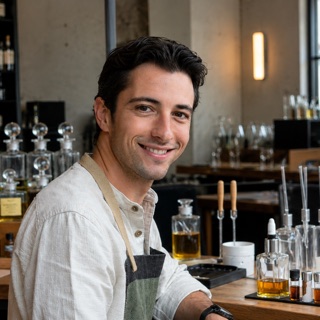
Grasse comes up at my bench more than any other place name. I have facilitated perfume workshops in Paris since 2022, over a thousand participants by my own count, and the question usually arrives half-formed: what is that town in the south, the perfume one? So let us give the town its name and its due, and then be honest about whether your trip actually needs it.
What is the famous perfume town in France?
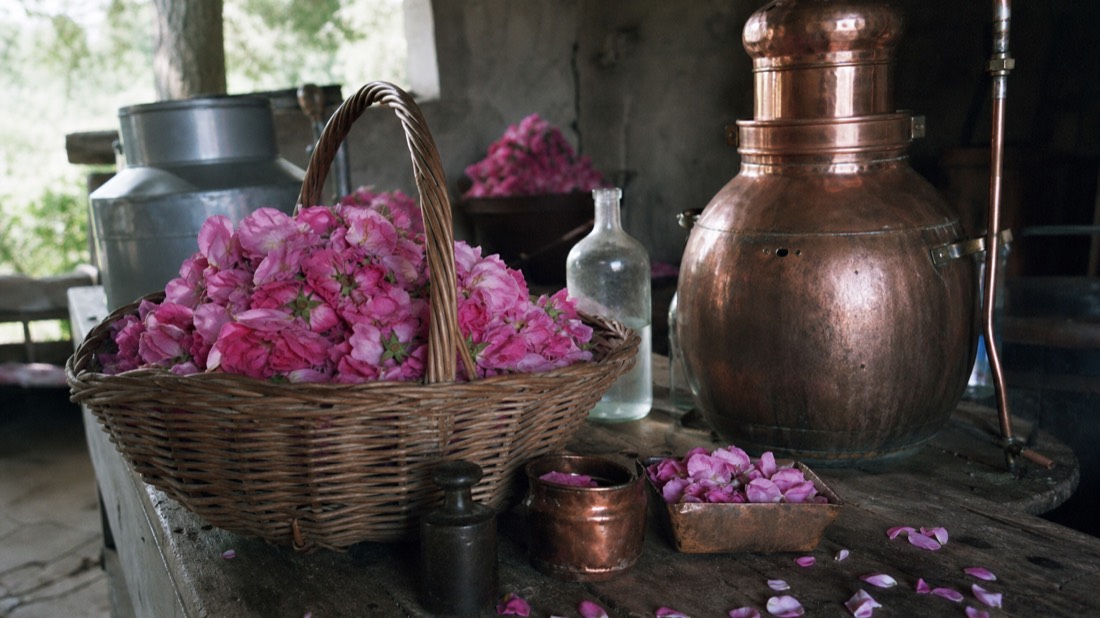
Grasse. It sits in Provence, in the south of France, and it is the historic capital of French perfumery. Three of the country's best-known houses, Molinard, Galimard and Fragonard, all originate there, and the fields around the town have historically grown the jasmine and rose that built its reputation.
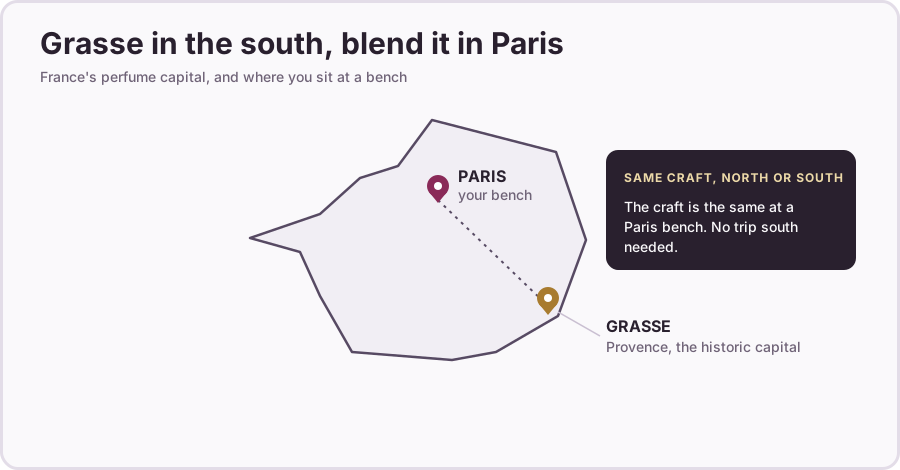
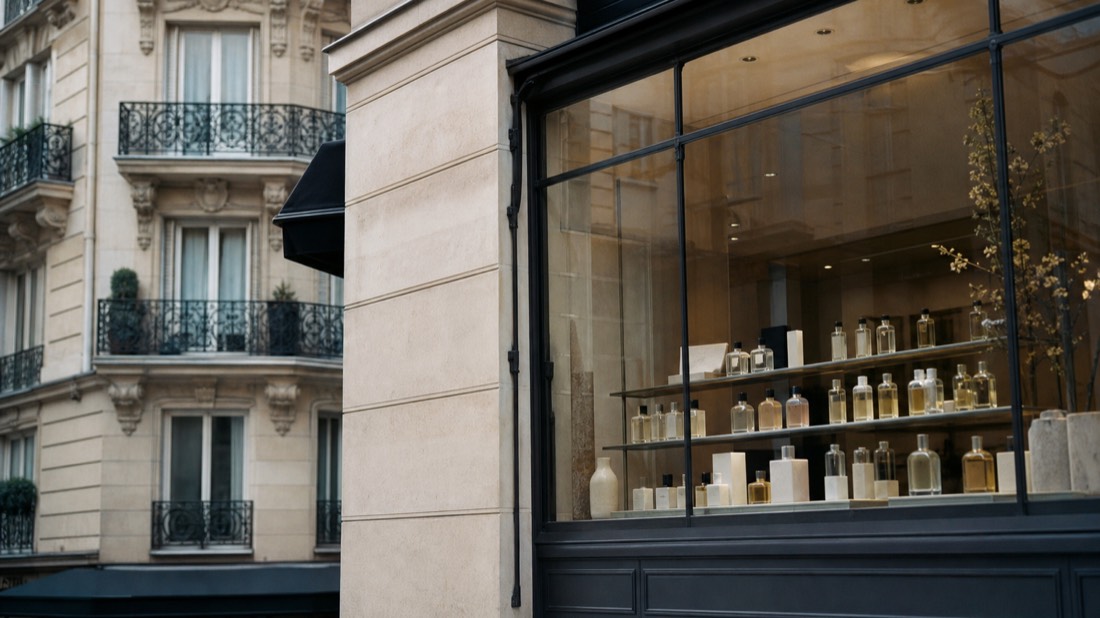
That word "capital" carries real weight in the craft. Say Grasse to anyone who works with fragrance and you invoke the whole lineage of French perfumery, the flowers, the old houses, the accumulated know-how. But the industry has two homes, and they split the work. Grasse holds the heritage. Paris is where the retail houses and many working ateliers operate, which means Paris is where a visitor can actually sit at a bench this week and blend something.
Grasse holds the heritage in the south and Paris holds the working bench, so the craft is the same without a trip south.
Why did Grasse become the capital of French perfumery?
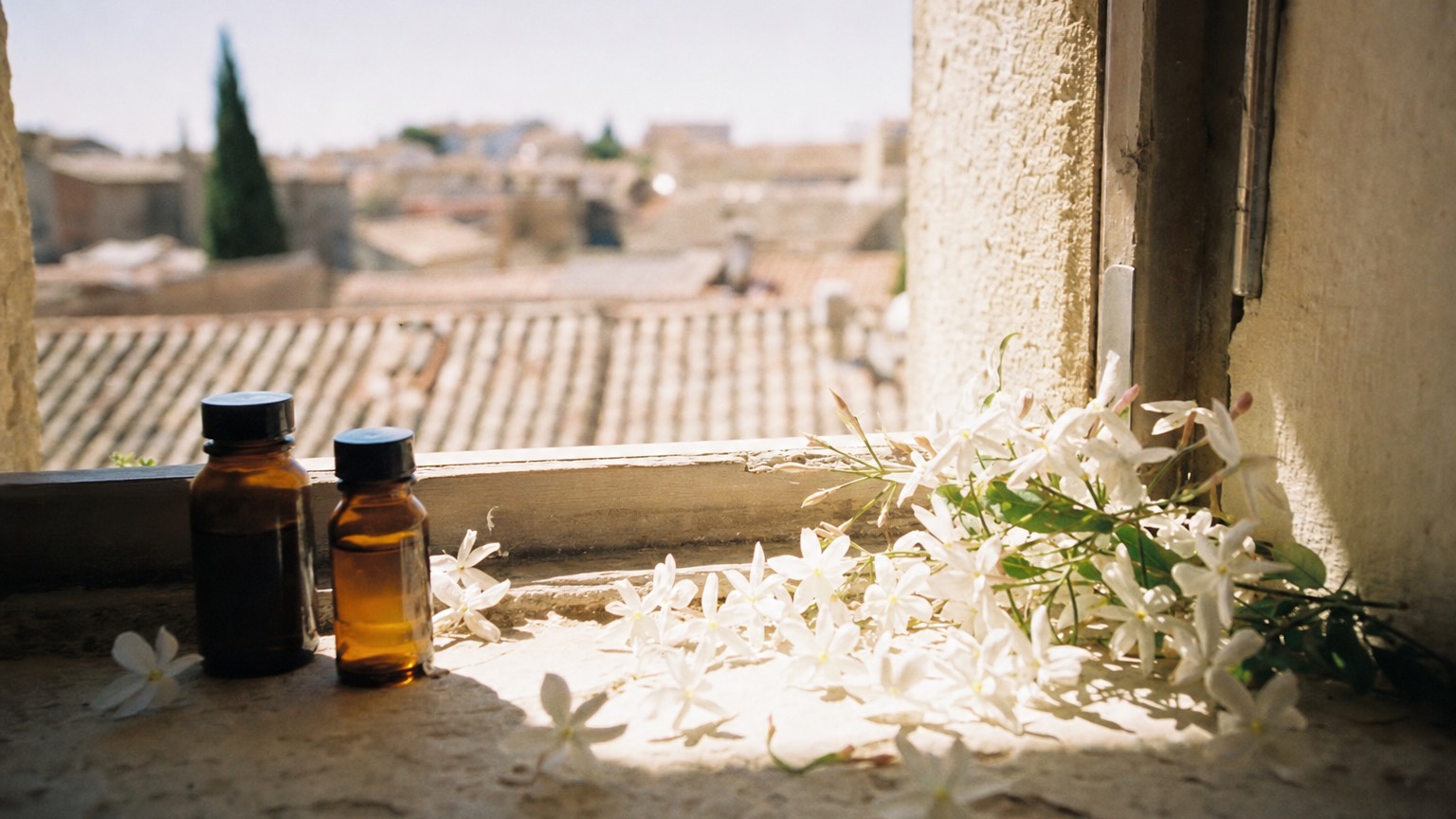
Because the flowers and the perfume makers grew up in the same place. The countryside around Grasse historically produced jasmine and rose, two of the foundation flowers of the craft, and houses like Molinard, Galimard and Fragonard were founded in the town, building their skills right where the harvest was.
From the bench side, that proximity explains everything. Jasmine and rose are heart materials, the part of a blend that carries its character, and a house raised next to the fields that grow them learns those materials with a depth no catalogue can teach. Generations of that learning hardened into institutions, and the institutions carried the town's name out into the world.
The names traveled further than the town did. Most visitors to France will never stand in a jasmine field, but they will walk past a Molinard or Fragonard boutique in Paris without trying. Which brings us to the useful part.
Which Grasse houses can you meet in Paris?
All three famous ones run Paris workshops. Molinard offers a 45-minute session where you build a 30 ml fragrance, from 65 euros on its own pages. Galimard's Paris atelier has you compose a full 100 ml Eau de Parfum for a published 89 euros. Fragonard pairs its free Musée du Parfum with an apprentice workshop that bottles 100 ml of eau de cologne for 95 euros.
Those figures come from each house's own published pages, and each house solves a different problem. Molinard is the quick, guided taste of the Grasse tradition. Galimard sends you home with the biggest bottle. Fragonard wraps the experience in a museum, which is a lovely arc if perfume history is what draws you to Grasse in the first place.
Beyond the Grasse names, Paris has its own independent atelier scene, and that is where this site spends most of its attention. The full referee's card, prices included, is in the best perfume workshop guide, with a side-by-side on the comparison page.
Is a Grasse day trip better than a Paris workshop?
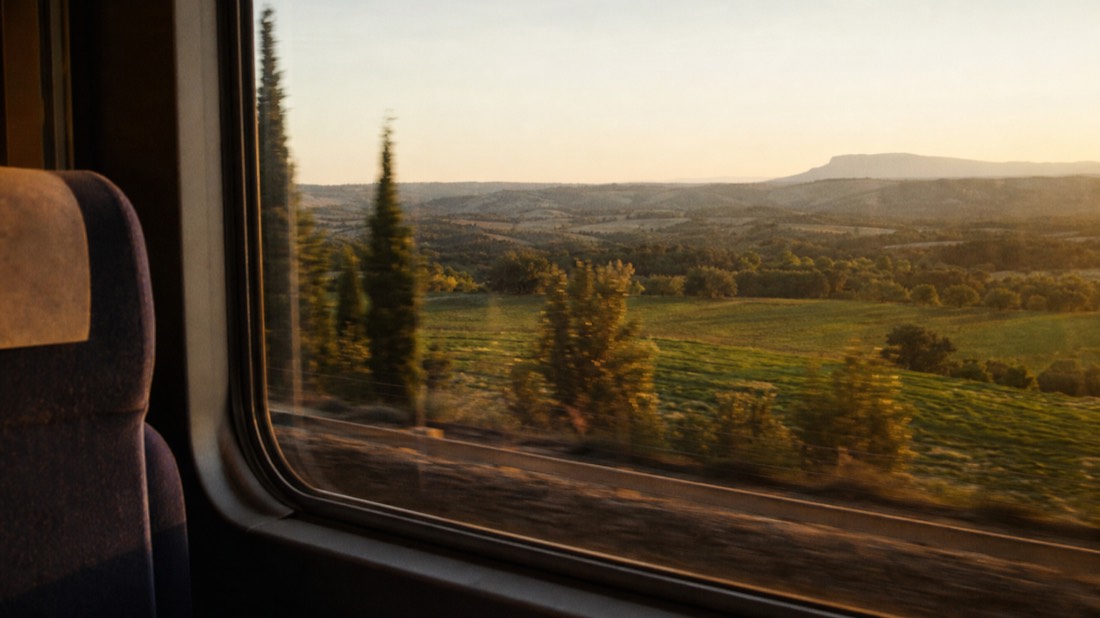
Only when the pilgrimage itself is the point. Grasse is in Provence, far to the south, so visiting from Paris swallows at least a full day of your itinerary. If what you want is the making, Paris gives you that in an afternoon: the featured small-group session near Trocadéro runs about 1 hour 30 minutes and sends you home with 50 ml of your own formula.
I will be straight about what each option gives you. Grasse offers the origin landscape, the place where the story starts, and if you are the kind of traveler who wants to stand where the jasmine grew, no Paris bench substitutes for that. If you are committing to the trip south anyway, Molinard runs a classic behind-the-scenes workshop in Grasse itself where you blend and bottle a scent in the town that built the craft; that is a separate booking from the Paris session, and you can check the Grasse workshop and its dates here. It costs you a long journey south and back, and on a short Paris trip that arithmetic is brutal.
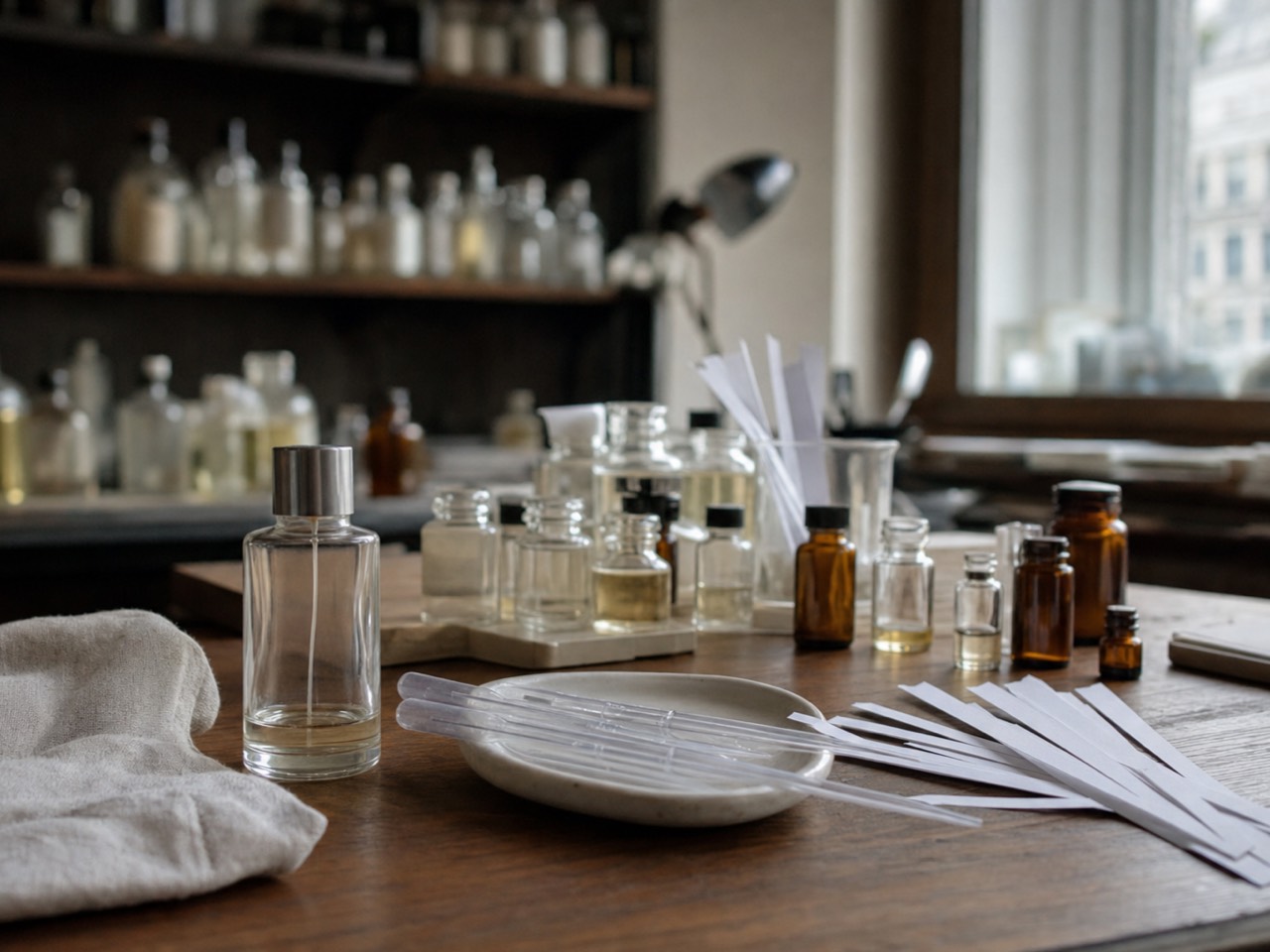
The craft itself, though, is the same bench work in either city. The featured Trocadéro session gives you about 1 hour 30 minutes with a maximum of 8 people, all materials and the 50 ml bottle included, English offered, free cancellation up to 24 hours, and a formula you keep for reorders. Its Viator listing shows 4.7 across 293 reviews with 94% of travelers recommending it. Two honest notes: I lead workshops in this city myself so I am not neutral about Paris, and this site earns a commission if you book through the workshop page. The figures are the operator's listing numbers, not mine, and more quick answers live on the FAQ page.
Viator Badge of Excellence
Best for first-timers, couples and anyone who loves scent
Paris Create your Own Perfume Workshop with a Perfumer
4.7across 293 Viator reviews, 94% recommend
Blend and bottle your own 50 ml perfume with a perfumer's guidance, near Trocadéro
Small group of 8 at most, about 1 hour 30 minutes, offered in English
All raw materials included, and you can reorder your scent later if you keep the formula
Live price on the listing shown for your date and currency at booking
Free cancellation up to 24 hours before. Ratings are the operator's current Viator figures; check the listing for today's price.
Common questions about Grasse and the French perfume world
What is the famous perfume town in France?
Grasse, in Provence in the south of France. It is the historic capital of French perfumery, the home town of Molinard, Galimard and Fragonard, and the fields around it have historically grown jasmine and rose for the craft.
Which perfume houses come from Grasse?
The three best-known are Molinard, Galimard and Fragonard. All three originate in Grasse and all three run workshops in Paris, so you can meet the Grasse tradition without leaving the capital.
Can you make perfume in Paris instead of going to Grasse?
Yes. The Grasse houses run Paris ateliers, and independent sessions exist too: the featured small-group workshop near Trocadéro runs about 1 hour 30 minutes, includes a 50 ml bottle of your own formula, and you keep the formula for reorders. Details on the workshop page.
Is Grasse worth visiting from Paris?
If perfume heritage is the heart of your trip and you have a spare day, yes, the origin landscape is the one thing Paris cannot offer. For the hands-on experience alone, a Paris workshop teaches the same craft in a fraction of the time.
Make your perfume without leaving Paris
A small-group 1 h 30 session near Trocadéro. Dates and the live price are on the operator's official Viator listing.