Paris for Perfume Lovers, Beyond the Workshop
A perfume-first day plan for Paris: the free Fragonard museum, perfume halls and small ateliers, testing scents properly with blotters, and a nod to Grasse.
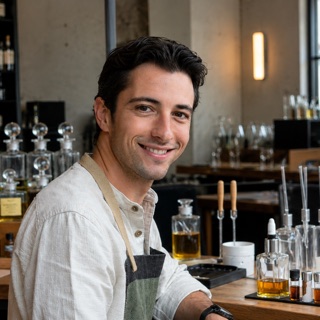 By Antoine Lefèvre, Paris perfume workshop facilitator
Participants ask me for the same follow-up at the end of almost every session I lead: "Where else should we go, for this?" Not for Paris in general. For scent. It is a good question with a short honest answer, because Paris is the world capital of perfume commerce but keeps its perfume experiences scattered and mostly unlabeled. This is my working list, the one I actually give across the bench, with nothing on it I would not send someone to. It is deliberately not a things-to-do-in-Paris list. It is a nose's itinerary.
Where should a perfume lover start?
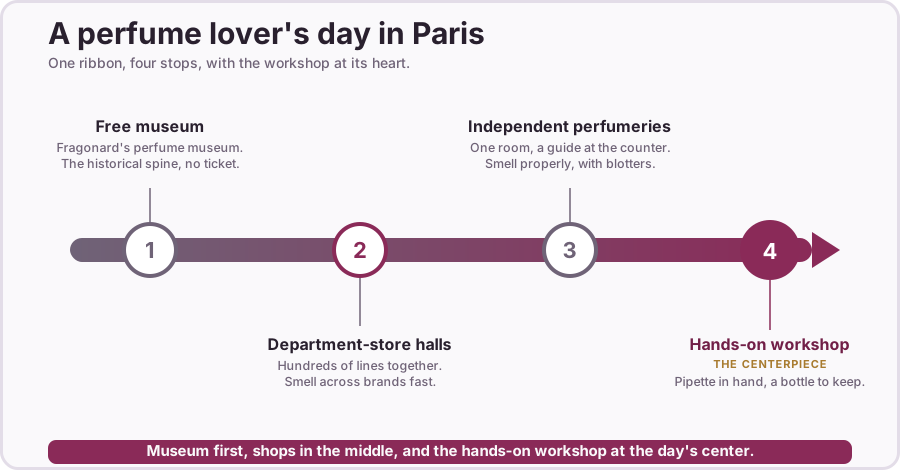
At the free one. Fragonard's perfume museum in Paris costs nothing to visit, and it gives you the historical spine, stills, copper apparatus, flacons across centuries, that makes everything else you smell in the city make more sense.
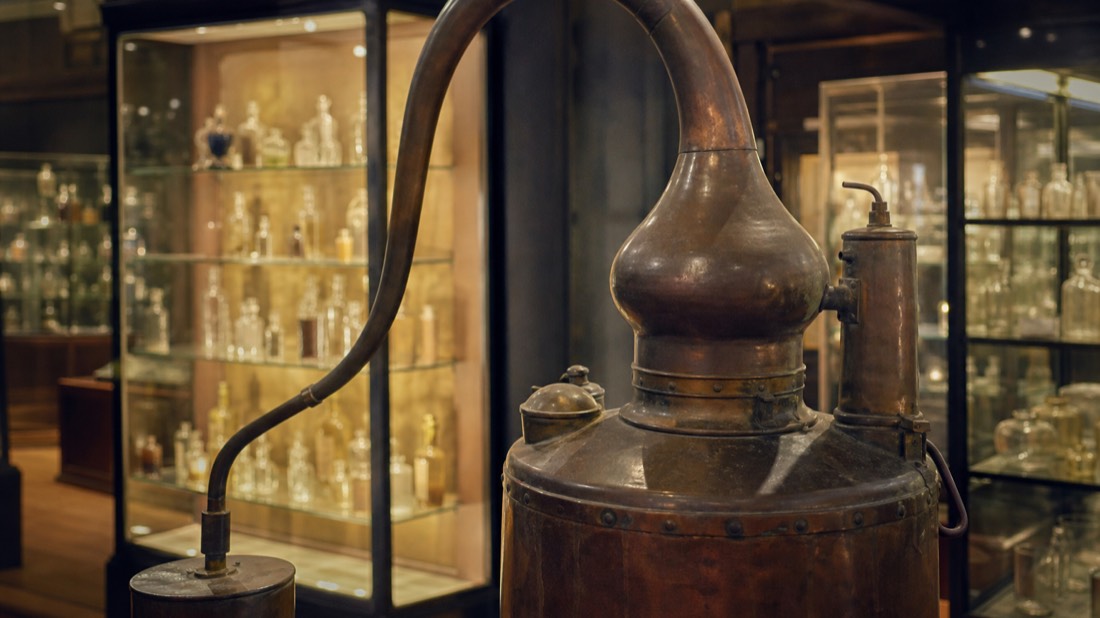
Free is not the only argument, but in a city this expensive it is a serious one. The museum is compact, which I count as a feature; you get the story of how flowers become liquid without giving up half a day. Go early in the trip. The vocabulary you pick up walking past the extraction equipment, why some materials are distilled and others cannot survive heat, is exactly the vocabulary a workshop or a serious shop visit rewards later. Fragonard also runs a paid mini workshop that pairs a guided museum visit with a short bench session in the same building; it is a separate booking from the featured Trocadéro workshop, and you can check that museum-and-workshop combo here, or read how it stacks up in the best-workshop comparison.
Where do you go to actually smell things?
Two kinds of rooms, and you want both. The grand department-store perfume halls, where hundreds of lines stand shoulder to shoulder and you can smell across brands in an hour. And the small independent perfumeries, one room, a few hundred bottles, a person behind the counter who knows every one of them.
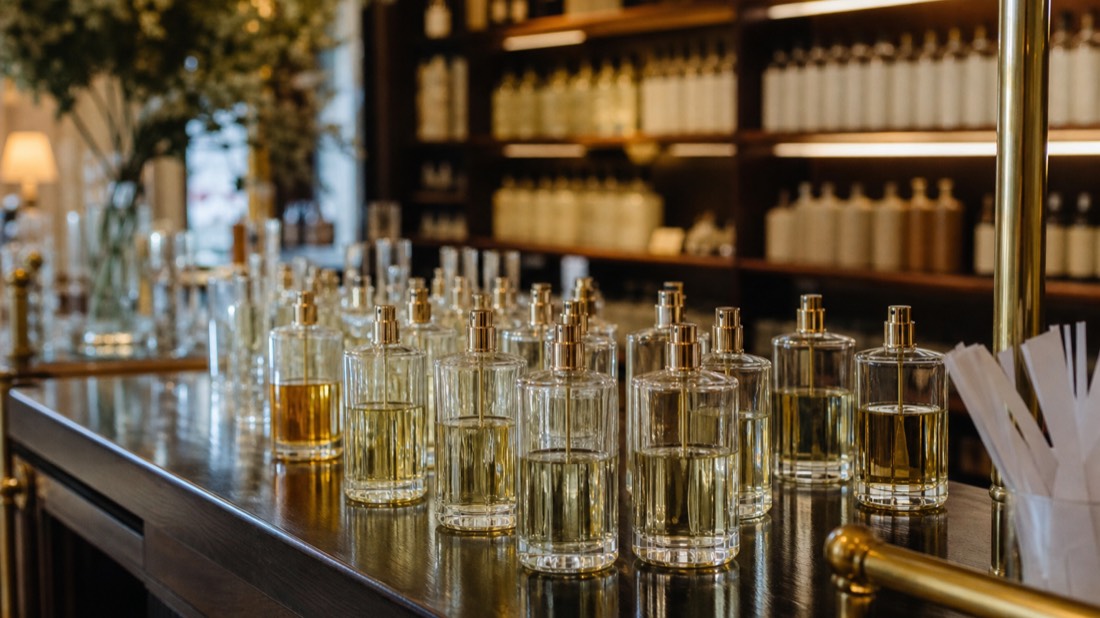
The halls are spectacle, honestly worth seeing even if you buy nothing: chandeliers, marble, a floor that exists nowhere else at that scale. Their weakness is attention. Nobody can shepherd you through five hundred bottles. The independents flip the equation, less selection, far more guidance, and the good ones will interrogate you pleasantly for five minutes before handing you a single strip. Tell them what you learned about yourself at a workshop bench, that you lean woody, that citrus dies on you, and watch the conversation change.
I name no shops here on purpose. Perfumeries open, move and close like restaurants, and a stale address helps nobody. The two categories are permanent; any concierge or local can point you to the current best of each within a few blocks.
How do you test perfume like you mean it?
With blotters first and skin second, never the reverse. Spray the strip, label it, walk away, and come back to it over an hour as the scent develops. Only the two or three finalists earn a place on your skin, because skin is limited real estate and each spot needs hours to tell the truth.
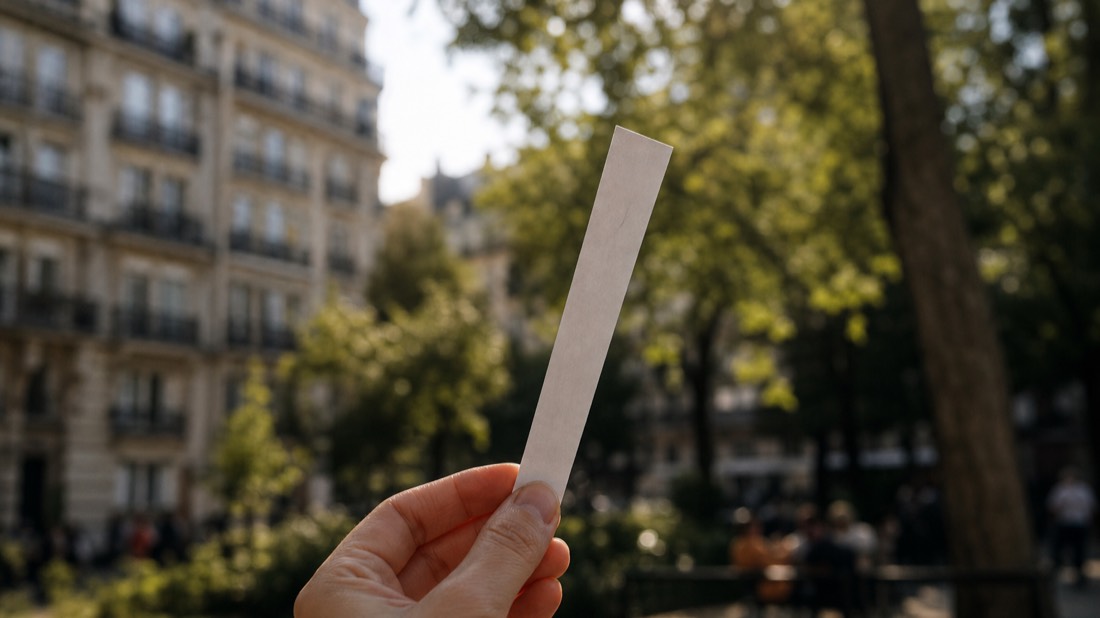
This is straight bench technique, and it turns shopping from a blur into an activity worth an afternoon. The mistakes are always the same and I watch them at every counter: smelling ten strips in ninety seconds, spraying six scents up one forearm, judging everything on the opening. A perfume is a timeline. The materials that greet you first fade first; whatever is left on your wrist at dinner is the part you would actually live with, so that is the part that should make the decision. The full mechanics are in top, heart and base notes explained.
My favorite version of this in practice: strips in a jacket pocket, one finalist on each wrist, and a long walk along the Seine while they argue it out. Paris is a good city for letting a drydown finish.
Is Grasse the pilgrimage it sounds like?
Yes, with a caveat about distance. Grasse, in the hills behind the French Riviera, is the historic capital of French perfumery, fields, factories, the town the famous houses grew from. It is a genuine pilgrimage for a perfume lover and it is nowhere near Paris.
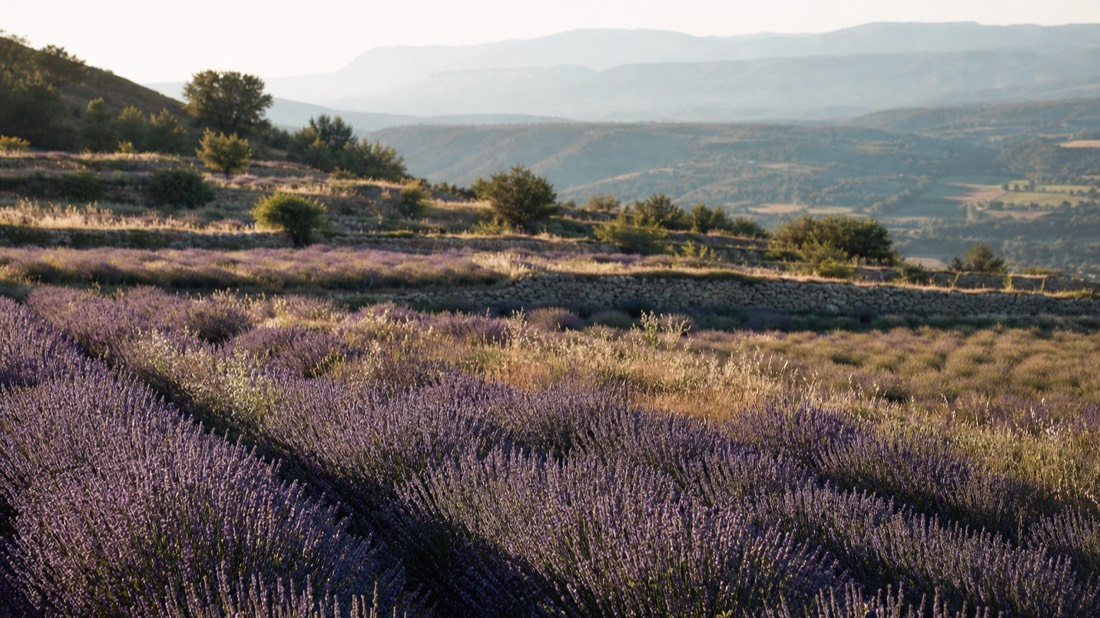
I bring Grasse up because participants bring it up, usually as "should we have gone there instead?" The honest answer: they are different trips. Grasse is the agricultural and industrial soul of the craft, the place to see where materials come from. Paris is where perfume became culture and commerce, and where the smelling, buying and making concentrate within a few Métro stops. If the south of France is already on your itinerary, go, without hesitation. If it is not, do not fly across the country for a day trip; the full story of the town, and what visiting actually involves, is in our guide to the famous perfume town in France.
Why make a workshop the centerpiece?
Because it is the one perfume experience in Paris where you stop being an audience. Museums show you the craft, shops sell you its results, and a bench session puts the pipette in your hand, which changes how you smell everything else on this list.
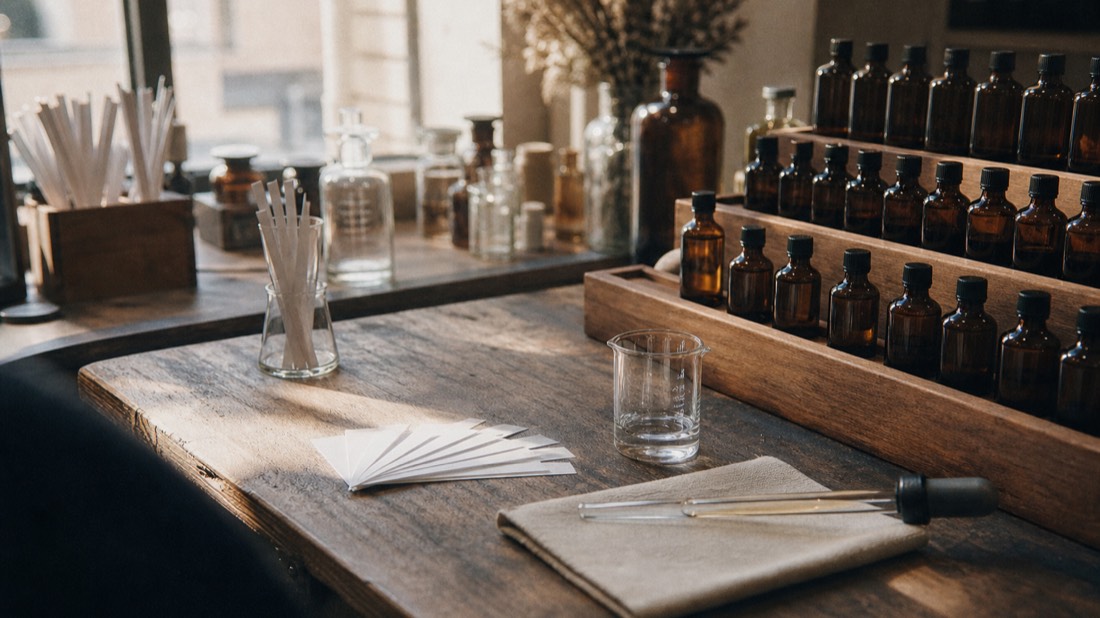
I am biased here in the open: leading these sessions is my work, and I have watched what a bench does to a traveler's nose since 2022. The order I recommend is museum first, workshop second, shopping last, because after ninety minutes of composing you walk into the perfume halls knowing what you like and why, which is a different species of shopping. The session this site covers in depth is the small-group workshop near Trocadéro, about 1 hour 30 minutes, 8 people at most, a 50 ml bottle of your own reorderable formula included, rated 4.7 across 293 Viator reviews. I do not teach it, its listing names the perfumer Marina Jung, but it is built the way I would build one. Details on the workshop page, field comparison on the compare page.
And when the bench is done, you are a five-minute walk from the Trocadéro terraces and the classic straight-on view of the Eiffel Tower, with cafés around the square for the debrief. Bring your strips. They will still be developing, and by then you will care.